
Witcher 3 Remastered Gwent: Win the Hand, Not the Row
Best of three, a 10-card opening hand, and why passing round one is how you keep spies for later.
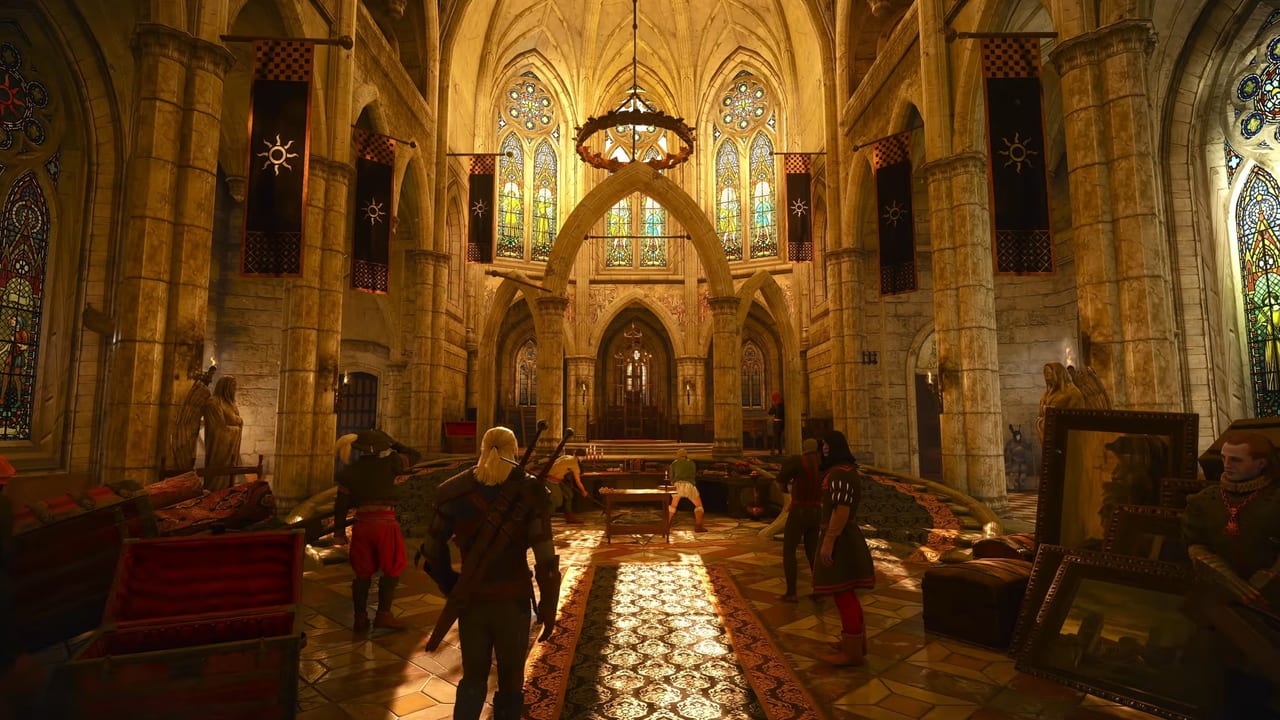
The Witcher 3: Wild Hunt — Remastered launches September 29, 2026 with a rebuilt combat camera, new Signs FX, and a skill tree revamp. None of that retires the inn tables. Gwent is still the in-world card game you play against merchants, soldiers, and a few people who will never forgive a Scorch. It is a single-player pastime inside a single-player RPG. There is no ranked ladder hiding in the remaster client.
This page is the rules-and-collection brief. If you have not left White Orchard yet, pair it with Getting Started and the White Orchard Walkthrough. Blood and Wine’s Skellige deck sits with the older expansions; owners gained Hearts of Stone and Blood and Wine at no extra cost on August 25, 2026, and the remaster includes them for new buyers as well. Songs of the Past in 2027 has discussed more Gwent cards on REDstreams. That is a separate purchase. See Songs of the Past and the Expansions briefing.
How a match actually works
A match is best of three rounds. You win the match by winning two rounds. Each player starts with a 10-card opening hand drawn from the deck. There is no automatic draw between rounds. Cards you did not play stay in your hand. Cards you did play are gone. If you empty the hand winning round one, round two is a shrug.
That is why losing round one on purpose is correct play, not a joke you read in a comment. You bait the opponent into overcommitting, pass with a small loss, and keep spies, Decoys, and a horn for the rounds that pay. Passing is a button. Use it. A two-point loss with eight cards left beats a 40-point “win” that leaves you with weather and a Goat.
When a round ends, the board clears (faction passives aside). You do not draw back to ten. You do not shuffle the graveyard into the deck mid-match. Plan the match as one resource pool split across three fights. The score on the row is bait. The cards remaining in the hand are the actual life total.
Factions, and why Northern Realms is the tutorial
You start with a Northern Realms deck. Its identity is the extra card: Northern Realms draws an extra card when you win a round. That is the training-wheels faction and still a serious one. Win a cheap round two after a planned loss in round one, take the extra draw, and spend the spies you held.
The other base factions, in one line each:
- Nilfgaard wins ties. Spies are the culture. If both players pass at 18, Nilfgaard takes the round.
- Monsters keep one unit on the board after a round. Muster families do the rest of the work.
- Scoia’tael chooses who goes first, which matters when you are holding weather or a thin hand.
Blood and Wine adds Skellige, which plays the graveyard — discarded or destroyed units can come back. Do not start a New Game in White Orchard and wonder why Skellige is locked. It is expansion content. The Expansions page is the entitlement map, not a card list.
Leader abilities still exist (Foltest, Emhyr, Eredin, Francesca, later Crach). They are once-per-match tools, not a second deck. Pick the leader whose once-a-match actually matches how you play, then stop shopping leaders until the collection is deeper.
Build the deck around 22 unit cards
The client asks for a minimum of 22 unit cards. Specials — Decoy, Commander’s Horn, Scorch, Biting Frost, Impenetrable Fog, Torrential Rain, Clear Weather — do not count toward that 22. Consistency advice that still holds:
- Stay near 22 units. Every extra weak soldier is a card you might draw instead of a spy.
- Cap specials. Ten weather cards is how you brick your own melee row.
- Spies are card advantage. They sit on the opponent’s side, add to their total, and draw you two. Play them when you can afford the points, or Decoy them back.
- Medics pull a unit from the graveyard. They are why a round-one “loss” that filled the graveyard is a plan.
- Hero cards are immune to most specials. They are your Scorch insurance.
- Tight Bond and Muster win rows if you actually packed the family. One copy is a soldier; the set is a problem.
Buy Decoy from the White Orchard innkeeper. It is the first special that teaches you the game is about hands, not rows. Decoy a spy, replay the spy, draw again. If you ride past Woesong without opening the Gwent menu, you are choosing to learn this in Novigrad the hard way.
Commander’s Horn doubles a row. Scorch kills the highest non-hero unit or units on the board. Weather hammers a row for everyone. Villentretenmerth is the gold dragon people remember because he scorches the melee row after a turn. None of these replace the 22-unit floor. A pretty board with 28 filler units is how you lose to a thinner Nilfgaard spy chain.
Collecting, inns, and missable cards
Gwent is a collection quest wearing a card game. Innkeepers and merchants sell cards. Named NPCs play you for theirs. The tracker quest Collect ‘em All! logs the work; it does not teleport unique players to you.
Missable cards exist if you rush the story. Some opponents leave after their quests. Some unique cards sit on people who only deal while a quest is active. High Stakes in Novigrad is a tournament with a buy-in; it is easy to walk past if you are sprinting Ciri leads. Dandelion’s tables, certain officers, and a few quest-gated merchants are the usual “I finished the game and the tracker is not 100%” autopsy.
Do not finish the Vizima audience and then ask why a White Orchard trader no longer deals. Play the innkeeper, the first merchants, and anyone with a board on the table while you are in the region. The White Orchard Walkthrough already flags the inn as a stop; this page is why that stop is not flavor text.
Buy from every innkeeper you meet. Win one match per new table before you decide the deck is done. Neutral cards (Decoy, Horn, Scorch, weather) are the glue; faction uniques are the identity. If a merchant’s inventory still has a hero you lack, that is the purchase, not another rusty sword for the weight bar. Combat still wants oils and Quen — see Signs and Alchemy — but the innkeeper wants a Decoy sale more than he wants your extra steel.
What Remastered does not rewrite
CD PROJEKT RED and Yigsoft have not advertised a Gwent rules rewrite for September 29. Treat best-of-three, the 10-card hand, and the no-draw-between-rounds rule as the same game you learned in 2015. Presentation, lighting, and the inn UI may look cleaner. The math does not. Photo Mode will make a winning board look expensive; it will not draw you a card. Pass first, screenshot second.
Songs of the Past previews have discussed additional Gwent cards on REDstreams. That is 2027 content from Fool’s Theory, not a White Orchard drop. Do not hold a Northern Realms deck hostage waiting for Letten. Play the tables in front of you. Dandelion will still sit across from you in Novigrad whether or not you can name every later-set card.
When the September 29 client is in the library, sit at Woesong, buy the Decoy, lose the first round on purpose, and only then go oil a silver sword. Gwent is how this Continent wastes an evening without a griffin. The well can wait one more hand.
Frequently Asked Questions
Quick answers about the Remastered upgrade, builds, and story.
How does a Gwent match work?
Best of three rounds, 10-card opening hand, no automatic draw between rounds. Win two rounds to win the match. Cards you play are spent; cards you hold stay in hand. Passing is how you keep a hand for round three.
Should I lose round one on purpose?
Usually yes. Bait the opponent into dumping points, pass, and keep spies, Decoys, and a horn. Northern Realms then draws an extra card when you win a later round, which is why the planned loss pays.
Where do I buy Decoy?
From the White Orchard innkeeper. Buy it before you leave the opening region. The White Orchard Walkthrough flags the inn; this page is why the card matters.
Why only 22 unit cards?
The client requires at least 22 units. Extra weak soldiers dilute spies and heroes. Specials do not count toward the 22. Stay near the floor, cap weather, and let Decoy, Horn, and Scorch do the special work.
Can I miss Gwent cards if I rush the story?
Yes. Unique opponents leave after quests, and some cards sit on people who only deal while a quest is active. Play innkeepers and named tables while you are in the region, including High Stakes in Novigrad.
Does Remastered change Gwent, and when is Skellige unlocked?
No rules rewrite is on the September 29 feature list. Skellige is Blood and Wine content. Owners gained the expansions on August 25, 2026. Extra Songs of the Past cards discussed on REDstreams belong to the 2027 purchase, not White Orchard.